
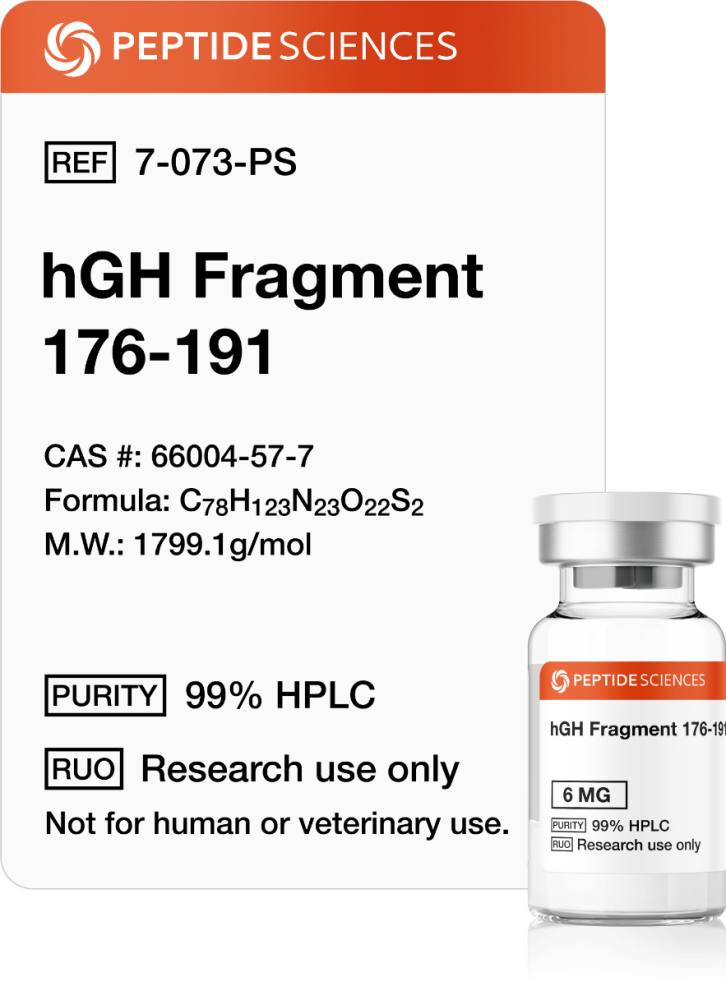
AOD9604 Peptide FAQ: Research Facts and Common Myths
AOD9604 peptide FAQ: what published research shows, how it differs from hGH Fragment 176-191, and the common myths every lab researcher should know.
AOD9604 peptide FAQ: what published research shows, how it differs from hGH Fragment 176-191, and the common myths every lab researcher should know.
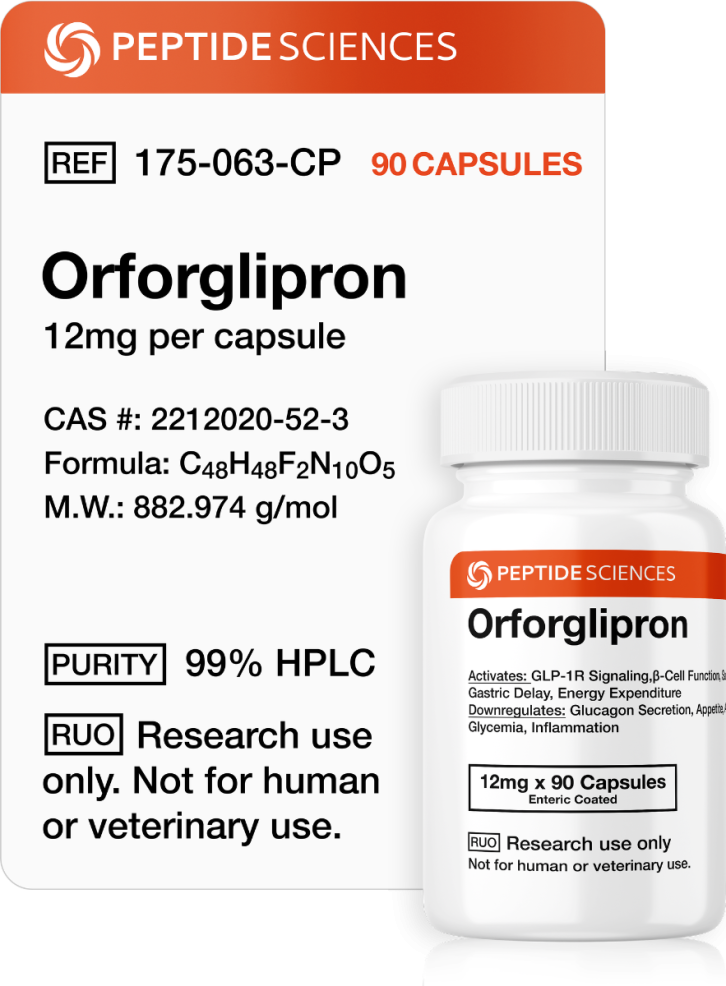
Orforglipron research guide: how this oral non-peptide GLP-1 receptor agonist works, what studies show, and how it compares with semaglutide and tirzepatide.
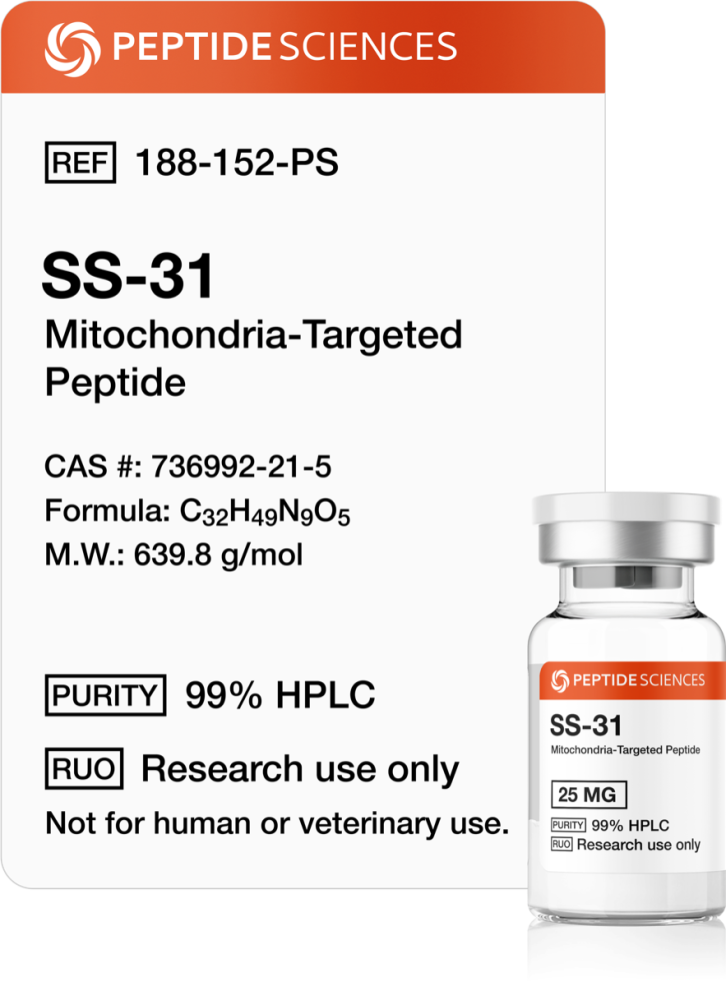
SS-31 peptide (elamipretide) explained: structure, cardiolipin mechanism, published research, lab storage and purity tips for mitochondrial researchers.
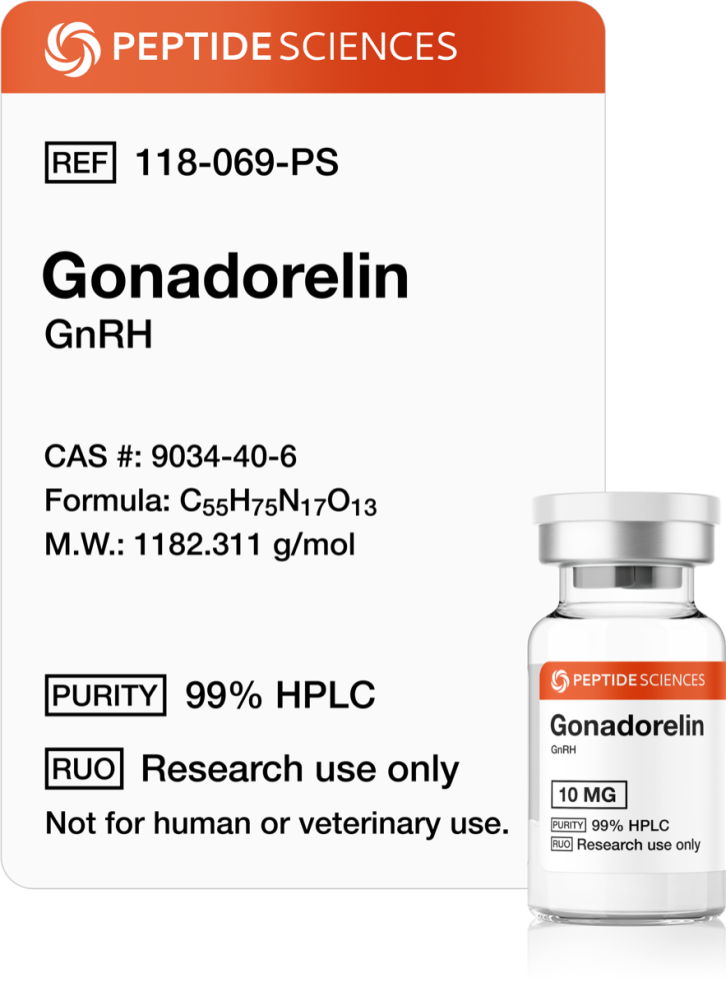
Kisspeptin-10 vs gonadorelin: compare receptors, HPG axis site of action, published research and purity tips to choose the right peptide for your lab study.

Cagrilintide research peptide guide: amylin analogue structure, receptor mechanism, CagriSema studies, COA checks and lab storage for researchers.
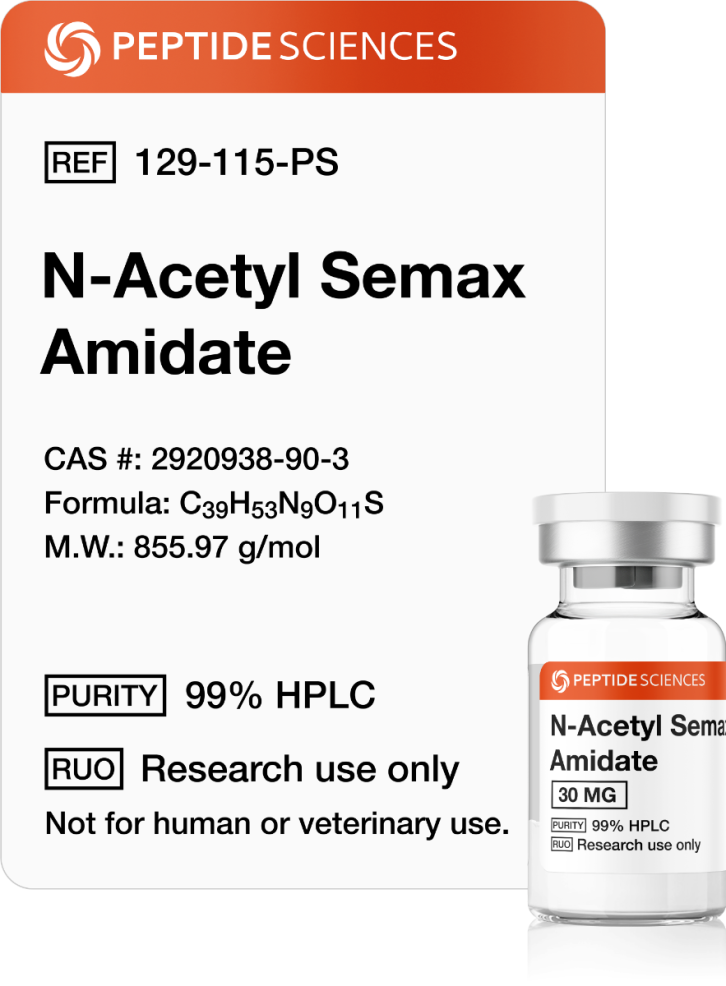
Semax and Selank research peptides compared: origins, mechanisms studied in preclinical models, and how standard and N-acetyl amidate forms differ for labs.

Learn how to read a peptide Certificate of Analysis: HPLC purity, mass spec identity, endotoxin testing and the red flags of a low-quality supplier.
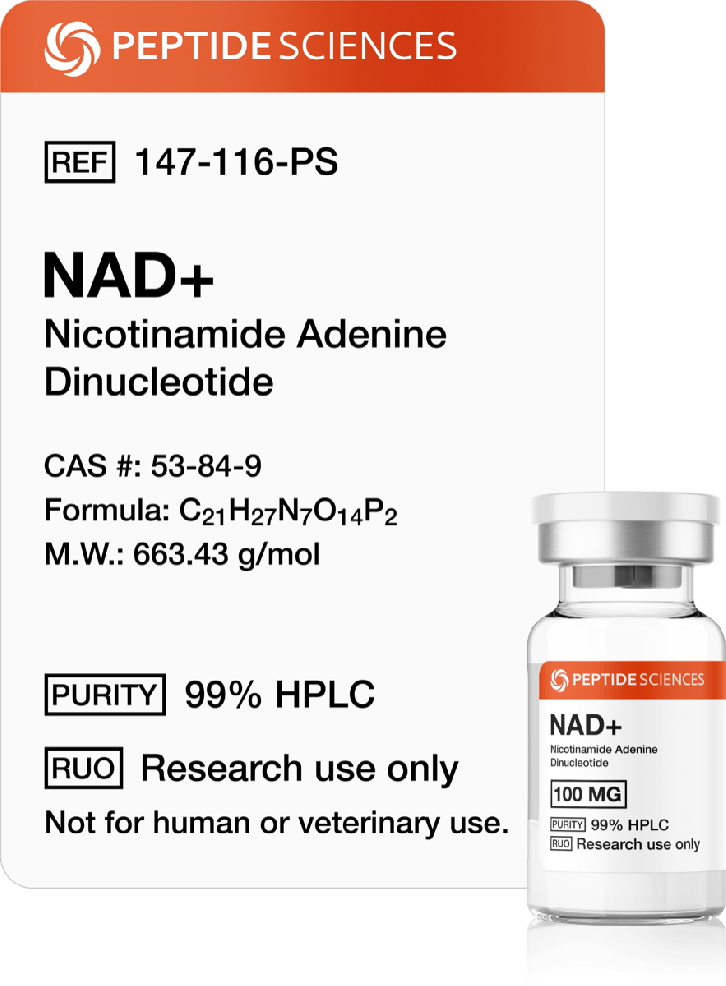
Storage temperatures, reconstitution practice and handling tips that keep lyophilised and reconstituted research peptides stable.
How semaglutide, tirzepatide and retatrutide differ in receptor targets, structure and research applications.
A side-by-side comparison of BPC-157 and TB-500 (thymosin beta-4): structure, mechanisms, research models and combination studies.